Tarot choice guide
Read Tarot as 22 paired decisions
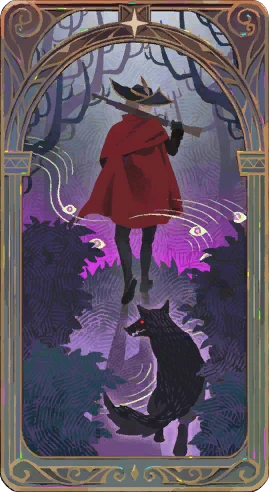
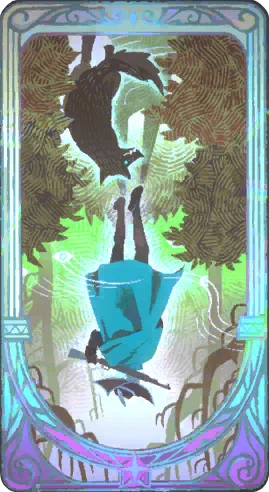
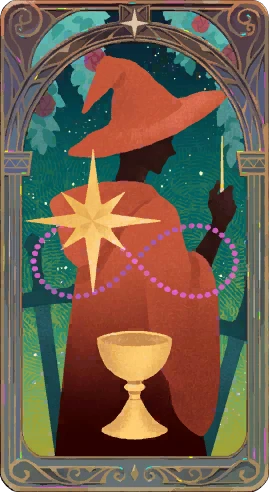
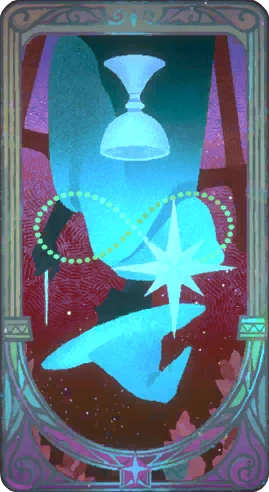
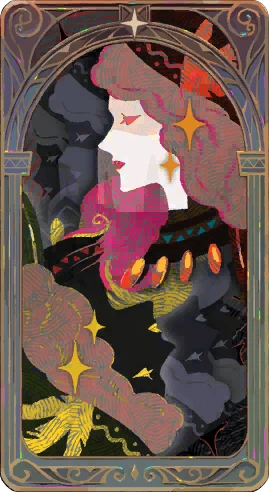
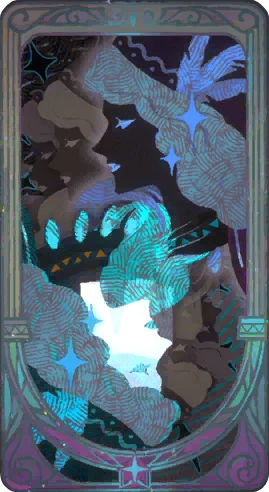
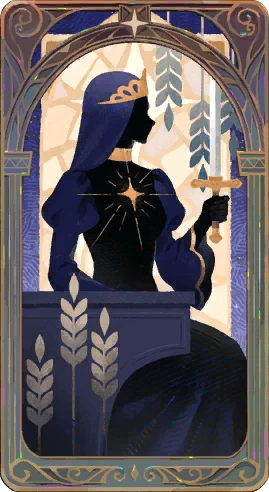
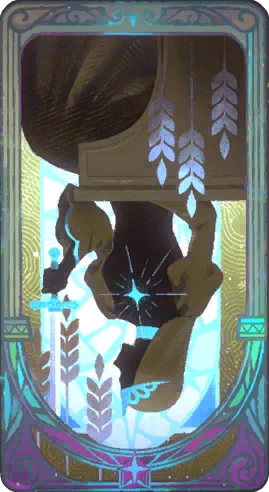
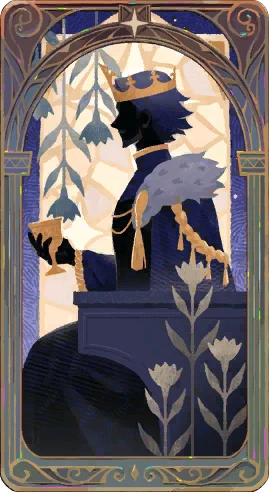
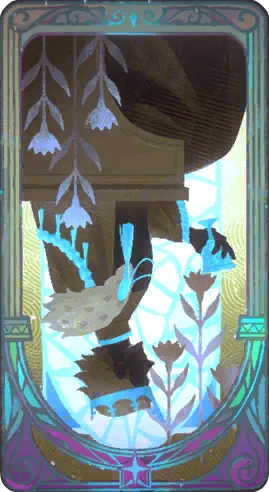
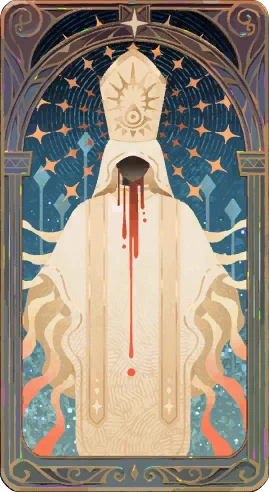
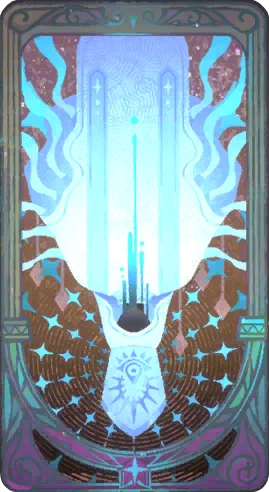
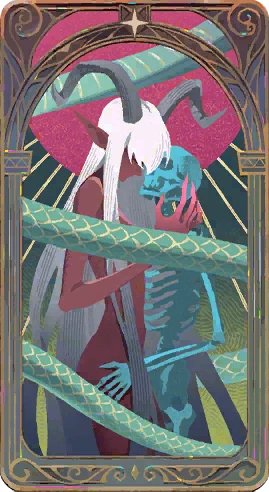
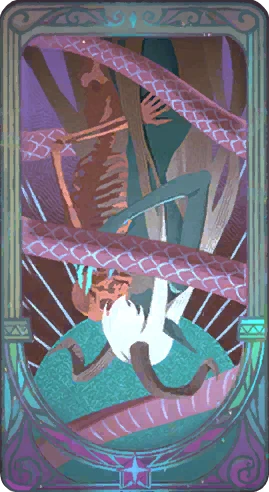
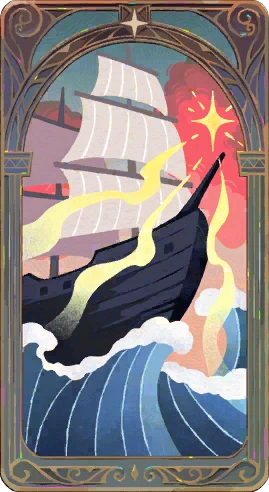
The archive contains 44 Tarot faces, but the useful comparison is 22 Major Arcana with one upright and one reversed outcome each. The two faces can change the trigger, resource, timing, or risk of the same idea.
Compare the pair before judging a card by orientation or rarity. Reversed does not automatically mean bad: it can be an alternate engine or a larger reward with a stated cost, and its value depends on what your current run can support.
Compare the two faces side by side
Start with what each face asks you to do. One may reward Embarkation while the other uses dismantling; one may exchange a steady effect for a stronger but riskier version. The detail page links the paired face so you can compare exact official wording rather than relying on the card name.
- Identify the trigger and the resource changed by each face.
- Check whether the cost affects damage taken, ammo, shops, health, or another part of your build.
Do not treat reversed as a simple penalty
The Magician's reversed face increases its payoff against Rabbits but can empty the magazine; reversed Strength increases Final Damage while also increasing Damage Taken. These are explicit trades, not evidence that every reversed card is worse. Judge whether the drawback intersects with your actual failure point.
- A risk you can prevent may be manageable; a risk that breaks your main loop may not be.
- Use the tooltip's exact condition instead of assigning an invented risk score.
Check repeat rules and Arcana relationships
Most Tarot faces are not repeatable, while a small number maintain progress such as refreshes or marks. Each Arcana also leads to a corresponding relic and its forged relationship, which can add another layer to the same theme. Follow those links before deciding that the Tarot effect stands alone.
- Repeatable describes availability behavior, not permission to ignore the effect's own limits.
- A corresponding relic can change how often a Tarot-related trigger pays off.